


Nature's Balance : Brief on Native, Exotic and Invasive Species
- Flip n fins
- Jan 31
- 2 min read

Native Species
Native species are organisms that naturally occur and evolve within a specific ecosystem, region, or habitat without human intervention. They play a crucial role in maintaining ecological balance by interacting with other species in their environment.
Examples:
Panthera tigris tigris (Bengal Tiger) – Primarily found in the Sundarbans and other forested regions of India.

Channa striata (Snakehea Murrel) – A freshwater fish species commonly found in lakes, rivers, and ponds across India.

Exotic Species
Exotic species, also known as non-native or introduced species, are organisms that have been deliberately or accidentally introduced into a new habitat outside their natural range, often for purposes such as pet trade, forestry, or agriculture. While some exotic species integrate without significant ecological impact, others may disrupt local ecosystems.
Examples:
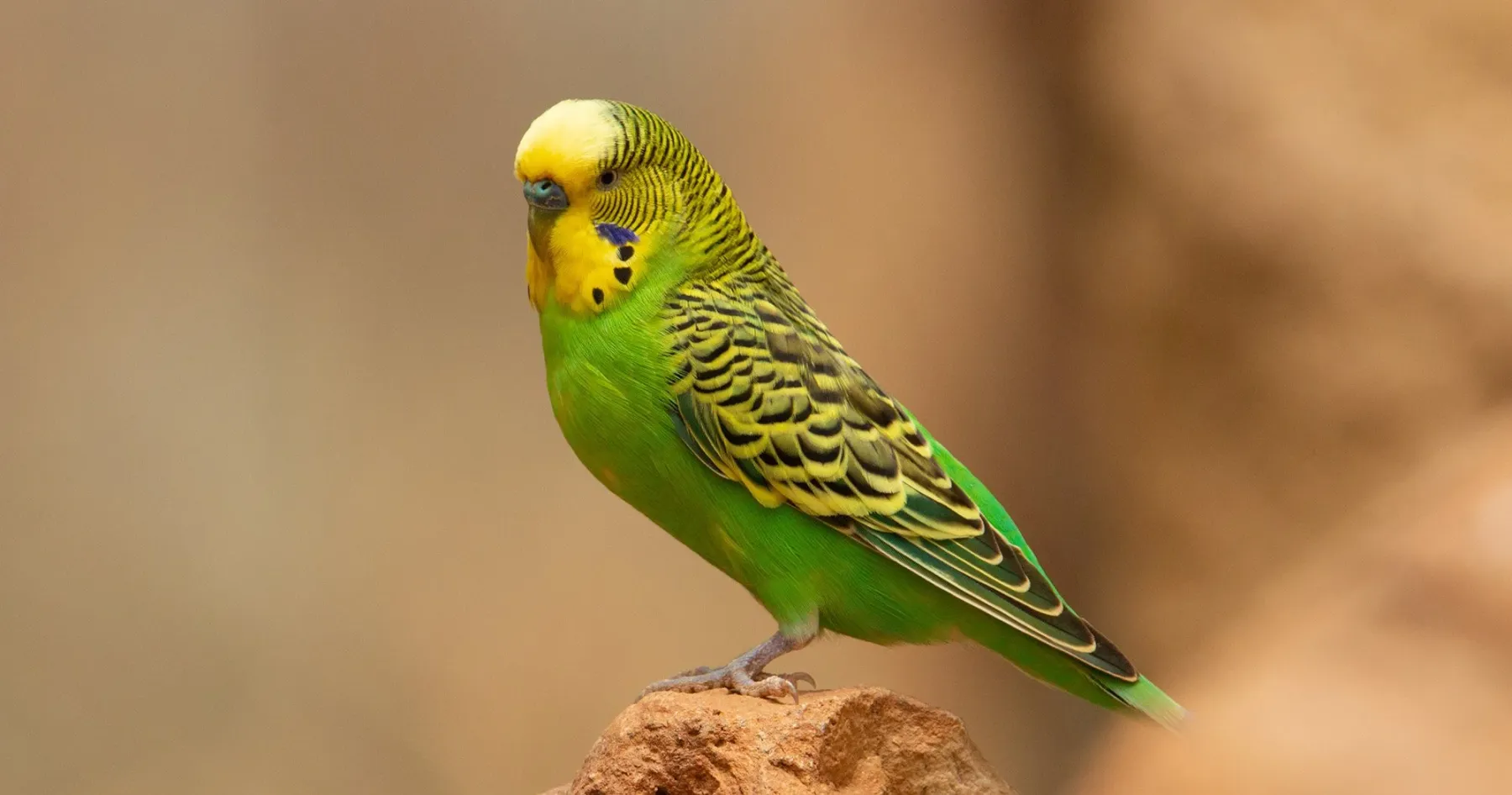
Melopsittacus undulatus (Budgerigar) – Originally native to Australia, introduced to India as a pet species, but does not pose a significant threat to the native ecosystem.
Carassius auratus (Goldfish) – Introduced into India through the aquarium trade; however, it has not significantly altered local aquatic ecosystems.
Invasive Species
Invasive species are non-native organisms that, upon introduction, proliferate uncontrollably, often outcompeting native species and disrupting ecosystems. These species can have severe ecological, economic, and biodiversity impacts. They are commonly introduced through agriculture, aquaculture, or the pet trade.
Examples:
Trachemys scripta elegans (Red-Eared Slider) – Originally introduced for the pet trade, this turtle species has established itself in Indian rivers and lakes, competing with native turtle species for resources.
Hypostomus plecostomus (Common Pleco) – Initially introduced through the aquarium trade as a biological cleaner, it has now spread into Indian freshwater ecosystems, negatively affecting native fish populations by outcompeting them for food and habitat.


Comments